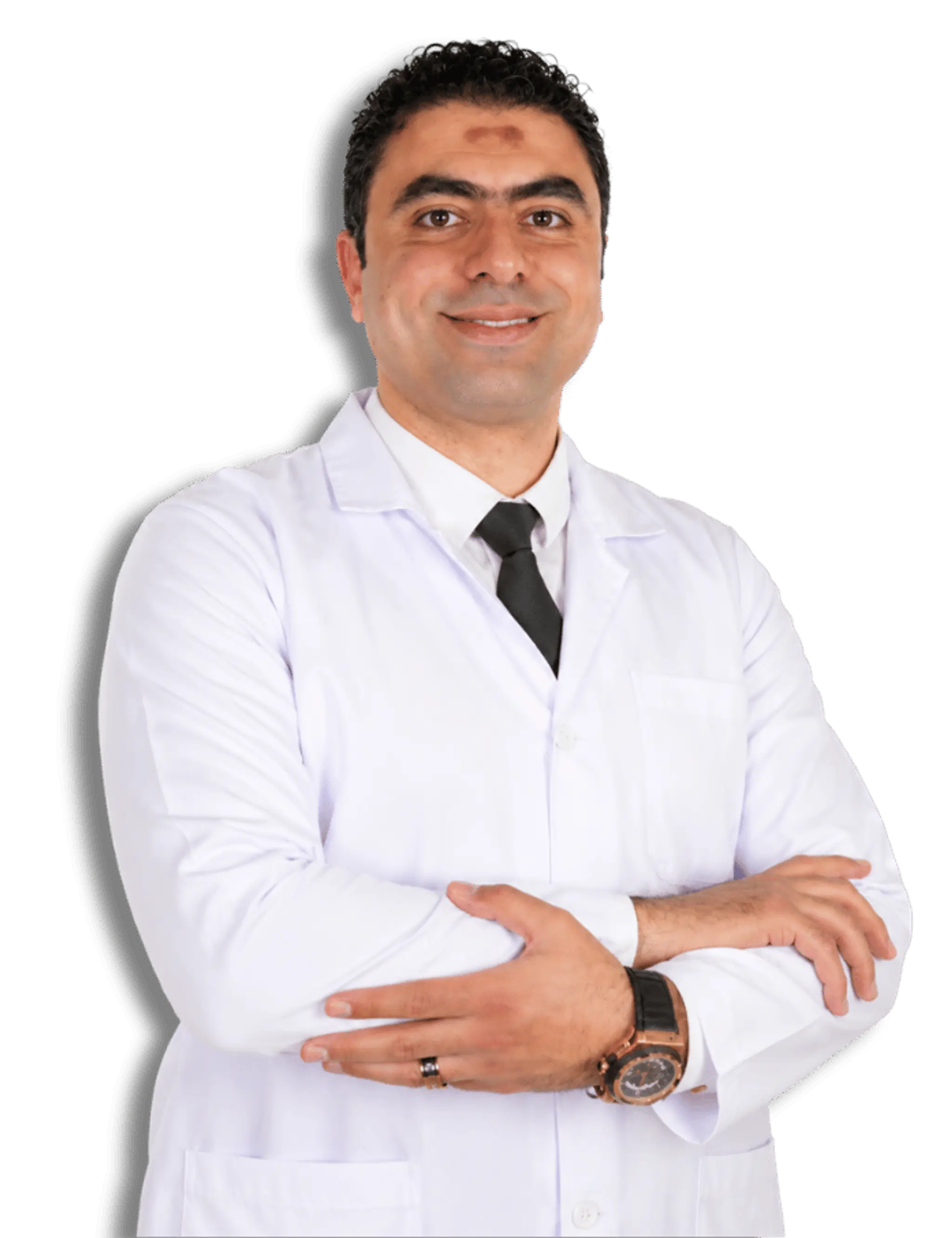
Dr. Ahmed Abdel Moaz Salem
Onkologie
Breast Surgical Oncology, Cosmetic Breast Surgery and Reconstruction
New Cairo - Kairo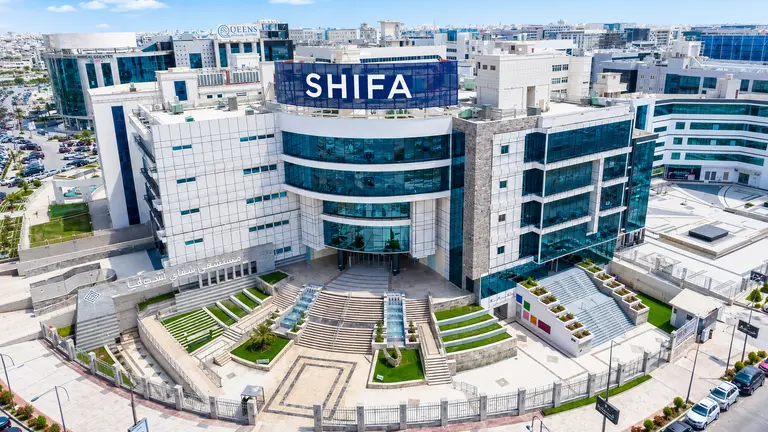
Dr. Ahmed Abdel Moaz Salem is a Consultant and Lecturer in Surgical Oncology at Cairo University, with professional qualifications in breast surgery and reconstruction. He holds a European Board qualification in Breast Surgery and Reconstruction obtained in Greece and is a Fellow of the Royal College of Surgeons in London. He also serves as a Consultant in Cosmetic Breast Surgery and Reconstruction at Shifa Hospital.
Dr. Ahmed Abdel Moaz Salem evaluates patients with benign and malignant breast conditions, breast pain, and concerns requiring assessment by a breast surgery specialist. His stated areas of practice also include cosmetic breast surgery and breast reconstruction, which may be considered for suitable patients following breast cancer surgery or for other appropriate indications.
The appropriate treatment depends on the diagnosis, imaging findings, tissue biopsy results when required, and the patient's overall health and preferences. Some benign breast conditions may only require monitoring, while others may need surgical treatment. Breast cancer management may involve surgery alongside other treatments selected according to the type and stage of the disease.
Through Macrocare, patients can submit their medical reports, breast imaging, and pathology results to organize their medical records and coordinate a case review or consultation request with Dr. Ahmed Abdel Moaz Salem, subject to service and appointment availability.
Dr. Ahmed Abdel Moaz Salem's Medical Specialties
Based on the professional information provided, his areas of practice include:
Assessment of benign and malignant breast tumors.
Breast cancer surgery.
Cosmetic breast surgery.
Breast reconstruction following mastectomy or other breast surgery, when appropriate.
Evaluation of breast pain.
Assessment of breast lumps and other breast changes.
Discussion of breast-conserving surgical options where clinically suitable.
Surgical planning for patients who may require breast reconstruction.
The appropriate approach depends on the patient's diagnosis, examination findings, imaging, and treatment goals.
Benign Breast Tumors
Benign breast tumors are non-cancerous growths that do not behave like malignant tumors. Examples include fibroadenomas and certain cysts or other benign breast changes.
Patients may notice a breast lump, localized discomfort, or a change in the size of an existing lump. However, the nature of a breast lump cannot be reliably determined by symptoms or touch alone.
Assessment may include a clinical breast examination, ultrasound, mammography, and a tissue biopsy when indicated. The choice of investigations depends on the patient's age, symptoms, medical history, and initial findings.
Do Benign Breast Tumors Always Require Surgery?
No. Some benign breast conditions can be monitored with clinical assessment and imaging. Surgery may be considered if a lump is growing, causes significant symptoms, has uncertain diagnostic findings, or requires removal for other clinical reasons.
The decision should be based on the diagnosis, imaging findings, and individual circumstances rather than the presence of a lump alone.
Malignant Breast Tumors and Breast Cancer Treatment
Breast cancer develops when abnormal cells in breast tissue grow in an uncontrolled manner. Possible signs include a new breast lump, changes in breast shape, nipple changes, or alterations in the skin. Some breast cancers are detected through imaging before symptoms develop.
Diagnosis typically involves clinical assessment and breast imaging, such as mammography and ultrasound. A biopsy may be required to establish the diagnosis and determine the tumor's characteristics. Additional investigations may be recommended according to the clinical findings and suspected stage.
Treatment is individualized according to the cancer type, stage, size, location, biological characteristics, and the patient's overall health.
Depending on the case, treatment may include:
Breast cancer surgery.
Radiation therapy.
Systemic treatment, including chemotherapy, hormonal therapy, or targeted therapy when indicated.
Breast reconstruction when appropriate.
Follow-up and surveillance after treatment.
Not every patient requires the same treatment plan. The sequence of surgery and other cancer treatments is determined by the multidisciplinary oncology team.
Breast Cancer Surgery
Breast cancer surgery aims to remove the tumor according to the treatment plan while considering disease extent, surgical safety, and the possibility of preserving the breast.
Depending on the diagnosis, surgical options may include breast-conserving surgery or mastectomy. Assessment of lymph nodes in the armpit may also be required as part of the surgical plan.
The choice of surgery depends on several factors, including tumor size and location, breast size, disease extent, imaging and biopsy findings, and whether an appropriate surgical result can be achieved.
Some patients may need treatment before surgery, while others may require radiation therapy or systemic treatment afterward. These decisions depend on the individual case.
Breast-Conserving Surgery
Breast-conserving surgery removes the tumor while preserving as much healthy breast tissue as clinically appropriate. It may be suitable for selected patients with breast cancer.
Suitability depends on the tumor's size, location, extent, biological characteristics, and the feasibility of removing it with appropriate surgical margins. The role of radiation therapy must also be considered when relevant.
Oncoplastic techniques may be considered to improve breast shape following tumor removal. The potential benefits, risks, and expected cosmetic outcomes should be discussed before surgery.
Breast-conserving surgery is not appropriate for every patient, and the final decision should follow a comprehensive assessment.
Mastectomy
Mastectomy is a surgical procedure that removes most or all breast tissue, depending on the specific operation. It may be recommended for certain breast cancers or other selected medical indications.
A breast cancer diagnosis does not automatically mean that mastectomy is the only option. Some patients may be suitable for breast-conserving surgery, depending on the characteristics of the tumor and the overall treatment plan.
The decision takes into account tumor size, location, disease extent, imaging and biopsy findings, other treatment requirements, and patient preferences.
Breast reconstruction may be discussed as part of the treatment plan when medically appropriate.
Breast Reconstruction After Mastectomy
Breast reconstruction involves surgical procedures intended to restore breast shape following complete or partial breast removal. Reconstruction may be performed at the time of mastectomy or at a later stage, depending on the patient's circumstances and treatment plan.
The available options depend on the amount of tissue removed, the condition of the remaining skin and tissues, the need for radiation therapy, and the patient's overall health.
Reconstruction may involve implants or tissue transferred from another part of the patient's body in selected cases. Additional procedures may sometimes be considered to improve symmetry or appearance.
Breast reconstruction is not essential for every patient and does not replace the treatment required for breast cancer itself. The timing, benefits, risks, and expected outcomes should be discussed with the treating team.
Cosmetic Breast Surgery
Cosmetic breast surgery includes procedures intended to change breast size, shape, or symmetry. Depending on the patient's goals and medical circumstances, these procedures may be considered for cosmetic reasons or as part of reconstruction following breast cancer treatment.
The appropriate procedure depends on breast anatomy, general health, individual goals, and the expected benefits and limitations of surgery.
Common categories of cosmetic breast surgery include breast augmentation, breast reduction, breast lift, and procedures to improve symmetry. However, the available information does not establish that every one of these procedures is currently offered by Dr. Ahmed Abdel Moaz Salem. Patients should confirm the specific services available when arranging a consultation.
Breast Pain Assessment
Breast pain is common and may be associated with hormonal changes, the menstrual cycle, certain medications, inflammation, or other causes. Breast pain alone does not necessarily indicate breast cancer.
Assessment may involve reviewing the location and duration of the pain, whether it changes during the menstrual cycle, and whether it is associated with a lump, nipple discharge, or skin changes.
A clinical examination and breast imaging may be recommended depending on the patient's age, symptoms, and risk factors.
When Should Breast Pain Be Evaluated?
Medical assessment is advisable when pain persists, recurs, or occurs alongside a new lump, unusual nipple discharge, or changes in the breast skin or shape.
Significant redness, swelling, or breast pain accompanied by fever may require prompt assessment for a possible infection or other acute condition.
Breast Lumps, Nipple Changes and Skin Abnormalities
Breast lumps can arise from benign or malignant conditions. Their nature cannot be established through self-examination alone.
Changes that warrant medical evaluation include:
A newly detected breast lump.
A change in breast shape or size.
New nipple inversion.
Bloody or otherwise unusual nipple discharge.
Persistent skin thickening or dimpling.
Skin changes resembling orange peel.
Assessment may include a clinical examination and appropriate imaging. A tissue biopsy may be necessary to establish the diagnosis.
Early assessment helps clarify the cause of breast changes and supports timely treatment planning when needed.
Cosmetic Breast Surgery and Reconstruction After Breast Cancer
Some patients consider cosmetic or reconstructive procedures following breast cancer surgery to improve breast shape or symmetry. This may involve reconstruction after mastectomy or correction of changes following breast-conserving surgery.
The timing of surgery depends on the original procedure, tissue healing, the need for additional cancer treatment, and the patient's general health.
Consultation should include a realistic discussion of expected outcomes, possible complications, recovery time, and whether additional procedures or long-term follow-up may be needed.
Dr. Ahmed Abdel Moaz Salem's Qualifications and Professional Experience
According to the information provided, Dr. Ahmed Abdel Moaz Salem's professional background includes:
Consultant and Lecturer in Surgical Oncology at Cairo University.
European Board qualification in Breast Surgery and Reconstruction, obtained in Greece.
Consultant in Cosmetic Breast Surgery and Reconstruction at Shifa Hospital.
Fellow of the Royal College of Surgeons in London.
These qualifications are relevant to his stated practice in surgical oncology, breast surgery, and reconstruction. The official titles of the qualifications and awarding institutions should be verified before publication.
Dr. Ahmed Abdel Moaz Salem's Approach to Breast Surgery
The assessment of breast conditions generally begins with a review of symptoms, medical history, physical examination findings, and available imaging and pathology results.
A comprehensive evaluation may involve:
Assessing the nature of the breast lump or other reported changes.
Reviewing mammography, ultrasound, and other relevant imaging.
Reviewing pathology reports when a biopsy has been performed.
Determining whether further investigations are required.
Evaluating the need for surgery based on the diagnosis.
Discussing suitable surgical options, including their potential benefits and risks.
Assessing whether breast preservation or reconstruction may be appropriate.
Coordinating with oncology specialists when additional treatment is required.
Explaining the follow-up plan after treatment.
The final treatment decision depends on the confirmed diagnosis, disease characteristics, and the patient's individual needs. A personalized plan cannot be established without an appropriate medical assessment.
Why Do Patients Consult Dr. Ahmed Abdel Moaz Salem?
Patients may seek a breast surgery consultation after discovering a breast lump, experiencing persistent breast pain, receiving a breast tumor diagnosis, or considering surgical and reconstructive options.
Relevant reasons for consultation may include:
Assessment of benign and malignant breast tumors.
Evaluation of breast lumps.
Discussion of breast cancer surgery.
Assessment of breast-conserving surgery options.
Discussion of mastectomy when indicated.
Breast reconstruction after tumor removal.
Cosmetic breast surgery consultation.
Evaluation of breast pain.
Review of breast imaging and pathology results.
Discussion of surgical options following a breast cancer diagnosis.
The most appropriate care pathway depends on the patient's symptoms, confirmed diagnosis, and available services.
Book a Consultation With Dr. Ahmed Abdel Moaz Salem Through Macrocare
Patients seeking an assessment for a breast lump, persistent breast pain, a diagnosed breast tumor, or breast surgery and reconstruction options can contact Macrocare to organize their medical records and inquire about arranging a case review or consultation.
Organizing the medical file helps present previous investigations and treatment history clearly for review.
Depending on the patient's needs and service availability, Macrocare may assist with:
Organizing medical reports and diagnostic investigations.
Coordinating a review of the patient's case.
Arranging a consultation or appointment when available.
Identifying the documents required for assessment.
Coordinating related medical services when needed.
Providing available cost estimates before travel, where applicable.
Supporting international patients with treatment journey coordination when required.
Recommended Documents for Breast Case Review
Patients are encouraged to submit the following documents when available:
A medical summary describing the symptoms and when they began.
Mammography reports and images.
Breast ultrasound reports and images.
Original imaging files when available.
Pathology and biopsy reports, if a biopsy has been performed.
Reports from previous breast surgeries, if applicable.
Relevant laboratory results and additional investigations.
Previous treatment records, including systemic therapy or radiation therapy where applicable.
A list of current medications and relevant medical history.
A newly detected breast lump or unusual breast change should be assessed without unnecessary delay. These findings do not automatically mean cancer is present, but appropriate evaluation is needed to determine the cause.
Frequently Asked Questions About Dr. Ahmed Abdel Moaz Salem
What Is Dr. Ahmed Abdel Moaz Salem's Specialty?
According to the information provided, Dr. Ahmed Abdel Moaz Salem is a Consultant and Lecturer in Surgical Oncology at Cairo University. His stated qualifications include European Board training or certification in breast surgery and reconstruction, and his professional role at Shifa Hospital includes cosmetic breast surgery and reconstruction.
Does Dr. Ahmed Abdel Moaz Salem Assess Benign and Malignant Breast Tumors?
The information provided identifies benign and malignant breast tumors among the conditions for which patients may seek his assessment. The appropriate treatment depends on the clinical examination, imaging, and pathology findings when required.
Does Every Breast Lump Mean Cancer?
No. Breast lumps can be caused by benign tumors, cysts, and other breast conditions. However, a newly detected lump should be medically assessed to determine its nature. Imaging and, in selected cases, a biopsy may be necessary.
Is Breast Pain a Sign of Breast Cancer?
Breast pain alone does not necessarily indicate cancer. Hormonal changes and other benign conditions are common causes. Persistent pain or pain associated with a lump, nipple changes, or skin abnormalities should be assessed by a healthcare professional.
Which Tests Are Used to Diagnose Breast Tumors?
Assessment may include a clinical breast examination, mammography, and ultrasound. A tissue biopsy may be required to establish the diagnosis. The appropriate investigations depend on the patient's age, symptoms, and initial findings.
Can Breast Cancer Be Treated Without Removing the Entire Breast?
Some patients may be suitable for breast-conserving surgery, while others may require mastectomy. The decision depends on tumor size, location, disease extent, biological characteristics, and the overall treatment plan.
When Can Breast Reconstruction Be Performed After Mastectomy?
Breast reconstruction may be performed during the same operation as mastectomy or at a later stage. Timing depends on the patient's health, type of surgery, and the need for additional cancer treatments.
Is Breast Reconstruction Suitable for Every Patient?
Not necessarily. Suitability depends on the patient's general health, cancer characteristics, treatment requirements, and personal preferences. The available options, risks, and expected outcomes should be discussed during consultation.
Does Cosmetic Breast Surgery Include Reconstruction After Cancer Treatment?
Breast reconstruction is a form of breast surgery intended to restore breast shape following partial or complete breast removal. The appropriate technique and timing depend on the patient's condition and treatment plan.
How Can I Book a Consultation With Dr. Ahmed Abdel Moaz Salem Through Macrocare?
Patients can contact Macrocare and submit their available medical reports and breast imaging. Macrocare can help organize the medical file and inquire about coordinating a case review or consultation, subject to service availability.
Which Documents Should I Submit for a Breast Cancer Consultation?
Relevant documents may include mammography and ultrasound reports, biopsy and pathology results, previous surgical reports, records of cancer treatments, and a medical summary. The specific requirements depend on the patient's condition and treatment history.
Eingriffe
Behandlungen bei Dr. Ahmed Abdel Moaz Salem
Die Eingriffe dieses Anbieters – mit echten Startpreisen.

Nur die angegebenen Preise — Flüge und Aufenthalt werden separat geschätzt. Endpreis wird in Ihrem kostenlosen Angebot bestätigt. Kurse vom 2026-07-20.
