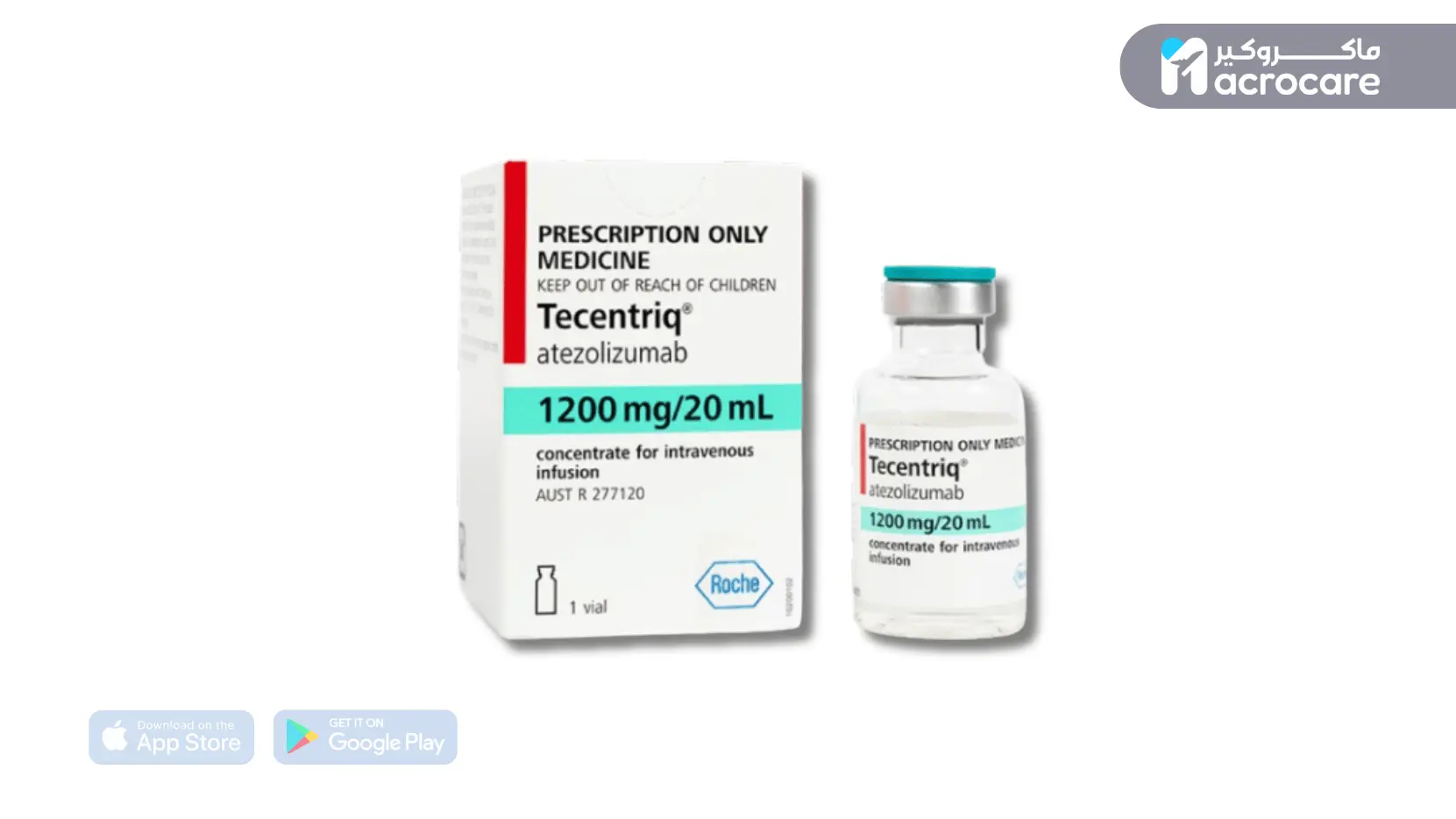
Xalkori is a targeted therapy used in the treatment of non-small cell lung cancer (NSCLC), particularly in patients with ALK or ROS1 gene mutations.
What is Xalkori ?
Xalkori (Crizotinib) belongs to a class of drugs known as Tyrosine Kinase Inhibitors (TKIs).
In certain lung cancers, genetic alterations such as ALK or ROS1 mutations trigger continuous signals that promote cancer cell growth. Xalkori works by:
- Blocking these abnormal signals
- Slowing tumor growth and spread
- Targeting cancer cells more precisely
In simple terms:
It shuts down the cancer cell’s growth signaling pathway.
Indications
Xalkori is used in:
- Non-small cell lung cancer (NSCLC)
- ALK-positive or ROS1-positive cases
- Advanced or metastatic disease
Dosage and Administration
- Standard dose: 250 mg twice daily
- Taken orally
- Can be taken with or without food
- Should be taken at the same time every day
- Dose adjustments may be required based on patient response
Common Side Effects
May include:
- Nausea or vomiting
- Diarrhea or constipation
- Visual disturbances
- Swelling (edema)
- Fatigue
- Elevated liver enzymes
Rarely: heart rhythm or lung-related side effects requiring close monitoring.
Monitoring During Treatment
Patients on Xalkori (Crizotinib) require:
- Liver function tests
- ECG monitoring
- Symptom evaluation
- Regular assessment of tumor response
Availability in Egypt
Xalkori (Crizotinib) is available in specialized oncology centers and major pharmacies in Egypt.
- It is a high-cost medication
- Requires close supervision by an oncology specialist
- Used within targeted therapy protocols
Importance of Xalkori
Xalkori is a key advancement in lung cancer treatment because it:
- Directly targets specific genetic mutations
- Effectively slows disease progression
- Improves disease control in advanced cases
- Is widely used in international treatment guidelines
Xalkori (Crizotinib) 250 mg is an effective targeted therapy for ALK-positive and ROS1-positive lung cancer, helping to control tumor growth and improve outcomes in advanced disease.
Medical Disclaimer:
This content is for educational purposes only and does not replace professional medical advice. Treatment decisions should always be made by a qualified oncology specialist.